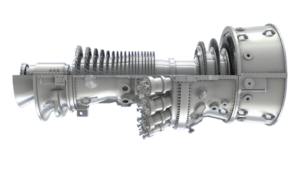
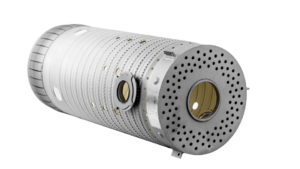
Reliable turbine operation depends on precise control, stable load response, proper maintenance, and the condition of critical control-system components. Changes in load demand, fuel or steam conditions, equipment wear, and process requirements can all affect turbine performance.
For plant operators and maintenance teams, maintaining stable turbine speed is essential for safe operation, consistent power output, and equipment protection. The turbine governor plays a central role by monitoring speed and regulating the energy supplied to the turbine.
Understanding governor performance can help industrial facilities reduce operating risks, improve turbine availability, and extend the service life of critical components.
What Is a Turbine Governor?
A turbine governor is a control device or control system that maintains turbine speed by regulating the flow of steam, fuel, or another working medium.
When turbine speed moves away from its required set point, the governor detects the variation and adjusts the control valves or fuel system. This allows the turbine to respond to changes in load while remaining within its specified operating limits.
Depending on the turbine design, the governor may use mechanical, hydraulic, electronic, or digital control technology.
Six Ways to Improve Turbine Speed Control and Reliability
1. Establish Accurate Speed and Load Parameters
Governor settings should match the turbine’s operating duty, rated speed, load range, and process requirements. Incorrect set points or control parameters can lead to unstable operation, excessive speed variation, or poor response during load changes.
Accurate speed and load settings allow the control system to compare actual operating conditions with the required values and make timely corrections. This helps maintain stable turbine output and reduces unnecessary stress on rotating components.
2. Calibrate the Governor Regularly
Routine calibration confirms that speed sensors, transmitters, controllers, and governor components are measuring and responding correctly.
Even minor sensing errors or delayed control signals can contribute to speed fluctuations, load instability, or repeated adjustments. Periodic calibration helps improve control accuracy and ensures that the governor responds appropriately when operating conditions change.
Calibration intervals should follow the turbine manufacturer’s recommendations, plant maintenance strategy, and operating history.
3. Inspect Control Valves, Actuators, and Linkages
A governor can only perform effectively when the connected control components respond correctly. Worn actuators, sticking valves, loose linkages, contaminated hydraulic oil, or low control-oil pressure can cause delayed or irregular movement.
Maintenance teams should regularly inspect:
- Steam or fuel control valves
- Hydraulic and electro-hydraulic actuators
- Mechanical linkages
- Servo valves
- Control-oil systems
- Position feedback devices
- Valve stems, seals, and related hardware
Keeping these components in good condition supports smoother control action and more predictable turbine performance.
4. Evaluate Governor Response During Load Changes
Load-change testing helps determine how effectively the turbine governor responds to actual operating demands.
During controlled testing, maintenance teams can monitor speed recovery, valve movement, load stability, vibration, control-system alarms, and response time. These checks can identify slow correction, excessive speed deviation, hunting, overspeed tendencies, or unstable output.
Any testing or adjustment should be performed by qualified personnel under approved plant procedures and within the turbine manufacturer’s operating limits.
5. Monitor Performance Trends and Early Warning Signs
Governor-related problems often develop gradually. Reviewing operating data can help identify performance deterioration before it results in an unplanned shutdown.
Important warning signs may include:
- Increasing speed fluctuations
- Repeated speed or load-control alarms
- Delayed valve response
- Unusual vibration
- Unstable output
- Irregular actuator movement
- Control-oil pressure changes
- Frequent manual corrections
- Unexpected trips or overspeed events
Governor data should be evaluated together with turbine operating trends, alarm history, trip records, inspection reports, and maintenance history. This provides a more complete picture of turbine health and control-system reliability.
6. Use Qualified Specialists for Critical Adjustments
Governor settings influence turbine speed, load response, process stability, and equipment protection. Incorrect adjustments may increase mechanical stress, reduce operating reliability, or interfere with protective functions.
Qualified turbine-control specialists can inspect the governor system, verify calibration records, test response characteristics, assess valve and actuator performance, and investigate the root cause of control problems.
They can also evaluate whether the existing governor configuration is suitable for the turbine design, operating duty, and current plant requirements.
Common Types of Turbine Governors
Turbine governor systems may vary according to turbine type, age, application, and manufacturer. Common configurations include:
- Mechanical governors
- Mechanical-hydraulic governors
- Hydraulic governors
- Electro-hydraulic governors
- Electronic governors
- Digital turbine control systems
Older turbines may use mechanical or hydraulic arrangements, while modern turbine packages commonly use electronic or digital control systems. Some facilities also modernize older turbines by upgrading obsolete governor components and installing updated control technology.
Strengthen Turbine Reliability Through Better Control
Improving turbine reliability requires more than routine inspection. Maintenance and operations teams must understand how the turbine control system responds under actual load and process conditions.
Speed trends, load swings, valve response, actuator movement, vibration data, alarm history, and trip records can reveal developing problems before they affect production. Planned inspections and condition-based maintenance also allow facilities to make informed service and replacement decisions.
SAHM Horizon is a USA-based industrial supplier and global sourcing partner supporting power-generation and industrial customers with turbine components, control-system parts, valves, actuators, instrumentation, and related equipment.
We assist customers across the GCC, Middle East, and international markets with sourcing solutions for gas turbines, steam turbines, and supporting plant systems.
For turbine governor components, control-system parts, valves, actuators, sensors, and other industrial requirements, contact SAHM Horizon.
SAHM Horizon
Industrial Parts and Global Sourcing Solutions
Website: www.sahmhorizon.com